
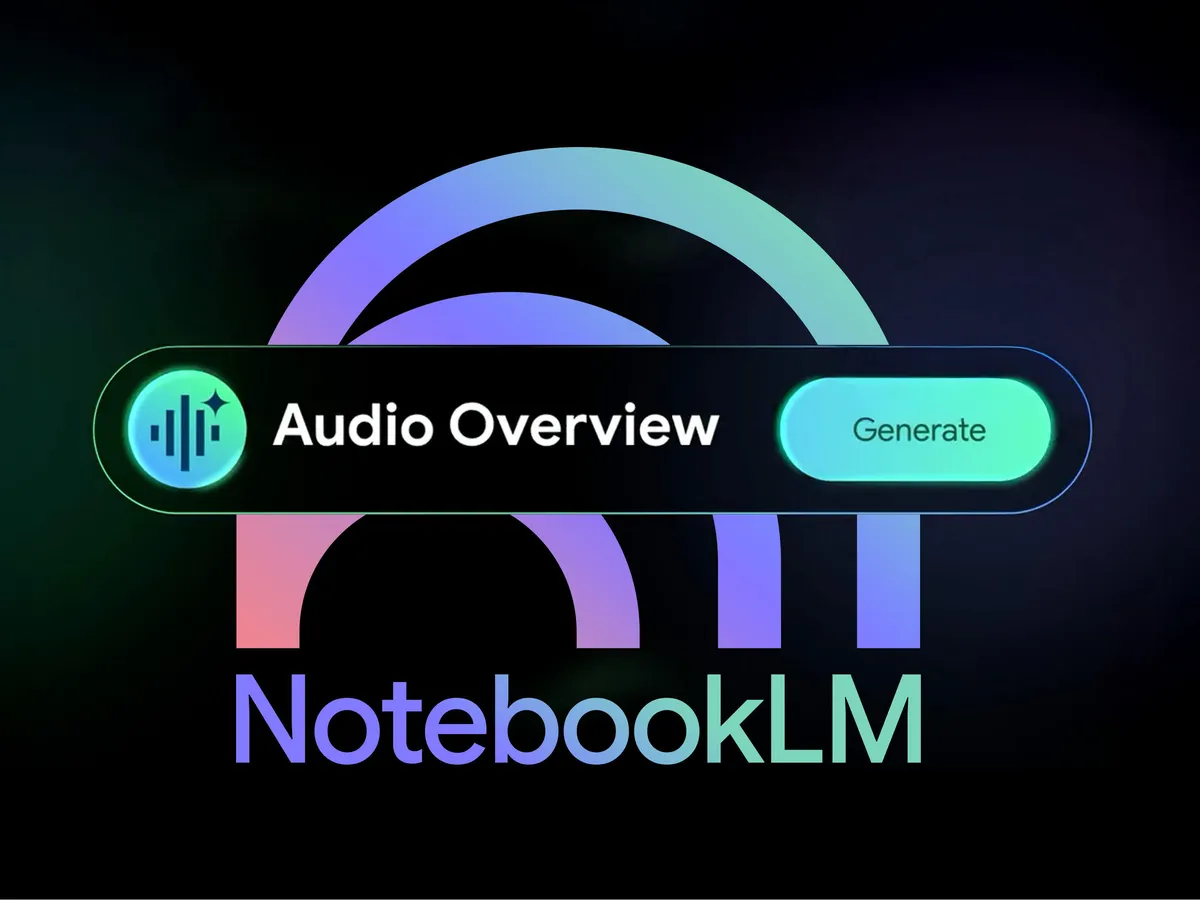
Transforming standard textual documentation (NotebookLM Audio) into engaging verbal discussions has become the next major trend in content distribution. For publishers, educators, and content creators, spending hours recording script materials manually can slow down operational velocity. To bridge this gap, using specialized artificial intelligence to build deep audio summaries is an incredible strategic advantage. If you want to expand your platform reach, analyzing modern conversational synthesis platforms is critical.
In this deep guide reviewing NotebookLM Audio, we will unpack how this advanced platform by Google converts your raw PDFs, text links, and documents into human-sounding audio discussions effortlessly.
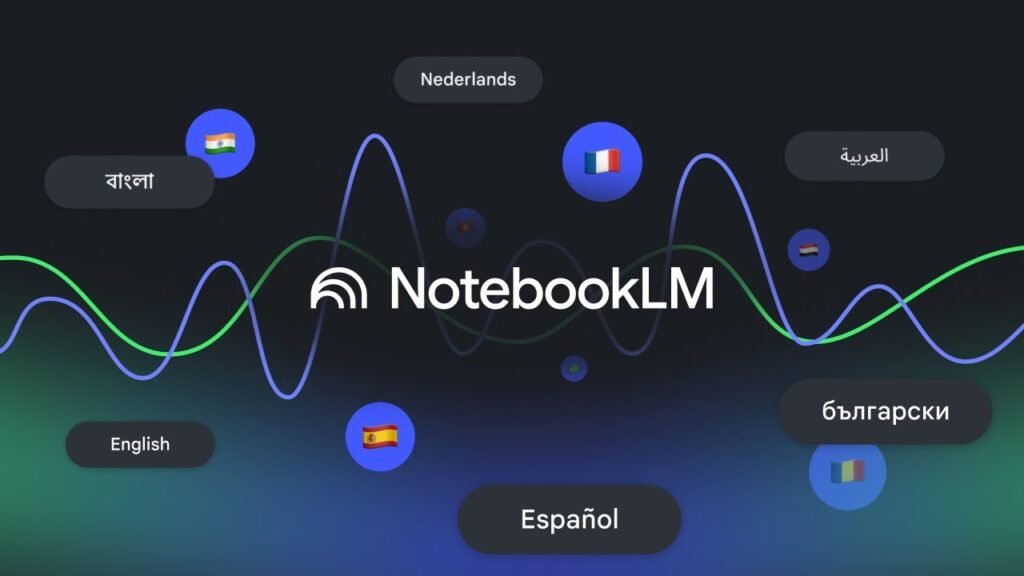
What is NotebookLM Audio Synthesis?
NotebookLM is an intelligent note-taking workspace that acts as a localized search engine for your personal files. Its standout feature, the “Audio Overview,” uses two artificial intelligence hosts to conduct a realistic, back-and-forth conversational podcast based strictly on the materials you upload.
- Natural Co-Host Chemistry: The two virtual hosts don’t just read plain text. They laugh, use casual speech fillers like “right” or “umm,” interrupt each other naturally, and synthesize complex insights seamlessly.
- Strict Source Grounding: The system never hallucinates. It limits its vocal discussions exclusively to the exact research links and files you upload into the workspace directory.
Core Features of the Podcast Generation Tool
To build an authoritative digital footprint on portals like Learn AI Tools Now, tracking these high-utility audio features provides an incredible operational edge:
1. Document-to-Speech Conversion
You can feed the software an entire 50-page financial report, a collection of Google Docs, or custom blog summaries. The engine scans the documents in seconds and structures a fluid 10-minute audio conversation explaining the key concepts.
2. Deep Contextual Adaptation
The voice models don’t just sound like standard text-to-speech readers. They match their vocal tone, excitement, and emphasis to the importance of the technical data they are actively summarizing.
(Place an image here with Alt Text: “Google NotebookLM audio overview podcast generation setup interface”)
Technical Evaluation: AI Audio Summary vs Traditional Voice Recording
| Performance Category | NotebookLM Audio Approach | Classic Manual Voice Recording |
| Production Speed | Under 5 minutes per track | Hours of script setup and recording |
| Editing Requirements | Zero manual cuts or leveling | High (Needs noise removal & sync) |
| Host Setup Cost | 100% Free via Google Labs | Expensive studio gear and microphones |
| Fact Compliance | Locked to your primary source | Prone to human presentation errors |
Final Verdict
The barrier separating written content from rich, engaging multimedia layouts has officially disappeared. As we conclude our process of reviewing NotebookLM Audio, it is clear that automated audio generation will fundamentally change how audiences consume long-form articles. Integrating this tool into your digital ecosystem today will allow you to generate incredible interactive assets with unmatched speed.